

Back to work and sport: venous HIFU, laser, radiofrequency and stripping compared

Returning to work and sport depends first on the technique. After laser, the Hospices Civils de Lyon allow physical activity from the next day. After stripping, Geneva University Hospitals give 7 to 14 days before work. For venous high-intensity focused ultrasound (HIFU), no timeline has been published.
- After radiofrequency, the French National Health Insurance puts the return to work at day 4 (desk job) or day 8 (physical job).
- After endovenous laser, the Hospices Civils de Lyon allow physical activity from the next day, with no time off work.
- After stripping, Geneva University Hospitals give a return to work between day 7 and day 14.
- No source puts a figure on the return to activity after venous HIFU. The Parma cohort describes discharge at the end of the procedure.
- The differences between techniques come mainly from the incision, the tumescence and how long compression lasts.
Walking resumes on the same day after almost every technique. What changes is everything else: driving, work, sport. This table compares the techniques on that criterion alone, venous HIFU included, with the source of every cell.
Why do the timelines differ from one technique to another?
The timelines follow what the technique does to the leg.
- Incision and removal of the vein: a bruise and a scar that need to heal.
- Tumescence and catheter: punctures, then several weeks of compression.
- No access to the vein: no wound to watch.
Five factors explain most of the differences:
- The incision. Stripping removes the vein through an incision in the groin crease. The French National Health Insurance describes common bruising after surgery.
- Tumescence. Laser and radiofrequency rely on infiltrating fluid around the vein, through a series of needle pricks.
- The catheter. It enters the vein through a puncture. The entry point is tiny, but the vein is treated from the inside.
- Compression. It ranges from nothing after glue to 30 days of stockings after stripping, depending on the team.
- No access to the vein. Venous HIFU works from outside the body. It leaves neither an incision nor a puncture point.
According to Sonovein®, non-surgical varicose vein treatment refers to the management of venous reflux performed without stripping or incision, of which only HIFU treatment is performed without crossing the skin, the others relying on a puncture or a catheter.
Reference definition: non-surgical varicose vein treatment
"Without surgery" therefore does not mean "without precautions".
The table: returning to activity, technique by technique
Published timelines range from a return the next day to two weeks off work.
- Laser: physical activity from the next day, according to the HCL.
- Radiofrequency: desk work from day 4, physical work from day 8, according to the French National Health Insurance.
- Stripping: work between day 7 and day 14, according to the HUG.
- Venous HIFU: discharge at the end of the procedure, no published timeline.
| Technique | Walking | Driving | Work | Sport | Compression |
|---|---|---|---|---|---|
| Venous HIFU | Discharge at the end of the procedure (Parma cohort) | Not specified | No published timeline | No published timeline | 24 mmHg stockings, one week (Parma cohort) |
| Endovenous laser | Immediate (HCL) | Not specified | No time off (HCL); 1 to 7 days (Paris Saint-Joseph Hospital) | Physical activity from the next day (HCL) | Stockings during the day, 3 to 4 weeks (Paris Saint-Joseph Hospital) |
| Radiofrequency | Immediate (French National Health Insurance, Dijon University Hospital) | Not specified | From day 4 for desk jobs, day 8 for physical jobs (French National Health Insurance); time off not needed (Dijon University Hospital) | Not specified | Stockings needed (Dijon University Hospital) |
| Cyanoacrylate glue | Day case (Dijon University Hospital) | Not specified | No time off (Dijon University Hospital) | Not specified | No stockings needed (Dijon University Hospital) |
| Sclerotherapy | Usual activity continued (Paris Saint-Joseph Hospital) | Not specified | Work unchanged (Paris Saint-Joseph Hospital) | Less intensive contact sports for 8 to 10 days (Paris Saint-Joseph Hospital) | Not specified |
| Surgical stripping | Up in the afternoon, walking in the evening (HUG) | After 2 to 3 days (HUG) | Between day 7 and day 14 (HUG) | Adapted, gradual return (French National Health Insurance) | Bandages 2 days, then stockings during the day for 30 days (HUG) |
"Not specified" means the source gives no timeline. It does not mean there are no precautions to take.
The day of the procedure also depends on the anaesthesia you receive. Tumescence or general anaesthesia is not the same experience as a simple needle prick.
Also read: Which anaesthesia for which varicose vein treatment
When the sources contradict each other
For the same technique, hospitals do not give the same timelines.
- Radiofrequency: time off "not needed" at Dijon University Hospital, work from day 4 for the French National Health Insurance.
- Laser: no time off at the HCL, 1 to 7 days at Paris Saint-Joseph Hospital.
- These are not errors, but different practices and different patients.
Several reasons explain these gaps. The French National Health Insurance adapts the length of sick leave to the technique, the job and each person's situation. A desk job and a standing job with heavy lifting do not call for the same timeline.
Teams do not treat the same patients either. A centre that mostly treats simple cases publishes shorter timelines. Paris Saint-Joseph Hospital, for instance, reserves general anaesthesia for complex cases.
Finally, a hospital web page gives general advice. Your doctor knows your vein and your job.
The paperwork for sick leave, from the prescription to sending it to your insurer, has its own article.
Also read: Time off work after varicose vein surgery: 1 to 14 days, depending on what?

Walking remains the first thing advised after almost every technique, on the same day.
After stripping, why does recovery take longer?
The incision and the removal of the vein leave a wound and a channel that need to heal.
- Bruising is common, according to the French National Health Insurance.
- Bandages day and night for 2 days, then stockings during the day for 30 days, at the HUG.
- Driving after 2 to 3 days, a check-up at one week.
Blood collects along the course of the removed vein. Hence the bruising, which fades gradually. The HUG allow showers at 48 hours and baths at two weeks.
Work resumes between day 7 and day 14. For sport, the French National Health Insurance speaks of an "adapted and gradual" return, with no figure. The day-by-day timeline is in our article on recovery after varicose vein surgery.
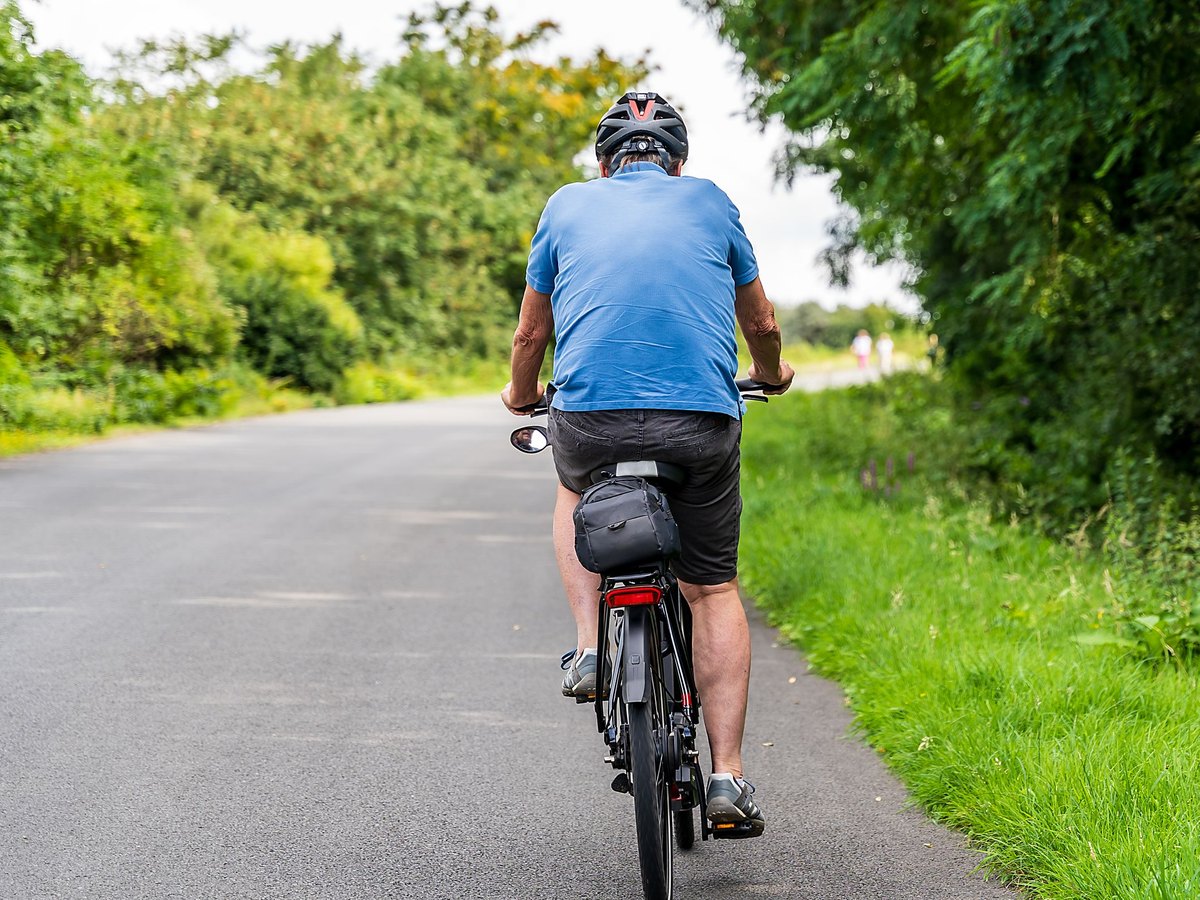
The return to sport happens in stages. Walking first, sustained effort later, at the pace set by the team that treated you.
And after venous HIFU?
No return-to-activity timeline has been validated for venous HIFU to date.
- The Parma cohort describes discharge at the end of the procedure, with no preventive anticoagulant.
- 24 mmHg stockings were worn there for one week.
- The treatment is done without incision or skin breach: there is no wound to heal.
The absence of a wound is a fact. It is not enough to set a date for returning to intensive sport. No publication cited here documents one, and we will not make one up.
An additional procedure is common. In Parma, foam sclerotherapy completed the treatment on the same day in 51.3% of patients. Its own instructions then add to those for venous HIFU.
That does not make venous HIFU a technique in development. Theraclion, publisher of Sonovein®, obtained the CE mark in 2019. The technique is available through treatment centres, and more than 4,000 procedures have been performed.
Its follow-up is still shorter than that of established techniques. The 2022 ESVS guidelines do not assess it. The result is gradual: the vein retracts, then closes over the following months.
| After venous HIFU | What the sources cited say |
|---|---|
| Discharge | At the end of the procedure (Parma cohort) |
| Preventive anticoagulant | Not systematic (Parma cohort) |
| Compression | 24 mmHg stockings, one week (Parma cohort) |
| Return to work | No published timeline |
| Return to intensive sport | No published timeline |
Where the procedure takes place also shapes the day: operating theatre, dedicated room or doctor's office.
Also read: Treating varicose veins in the office or the operating room: what changes
How do you return to sport gradually?
Walking first, intense effort later, following your doctor's instructions.
- Walking is advised from the day of the procedure after most techniques.
- After surgery, the French National Health Insurance plans an adapted and gradual return.
- After sclerotherapy, Paris Saint-Joseph Hospital tones down contact sports for 8 to 10 days.
Walking
From the day of the procedure, after laser, radiofrequency or stripping, according to the HCL, the French National Health Insurance and the HUG.
Everyday activities
From the next day after laser (HCL) to two weeks after stripping (HUG).
Moderate sport
Resumed in an adapted and gradual way, according to the French National Health Insurance. Your doctor sets the moment.
Contact sports and intense effort
Last. After sclerotherapy, Paris Saint-Joseph Hospital reduces their intensity for 8 to 10 days.
Combat sports, contact sports, horse riding, tennis: these are the sports Paris Saint-Joseph Hospital mentions after sclerotherapy.
Also read: Getting back to sport after sclerotherapy: the real timelines, sport by sport
Which signs should prompt you to see a doctor after the procedure?
Pain, swelling or redness in the calf are not part of normal recovery.
- The French National Health Insurance lists phlebitis among the rare complications of surgery.
- The ANSM lists calf pain among the symptoms that require urgent medical advice after a sclerosant injection.
- Chest pain or sudden breathlessness means calling emergency services.
After laser, the Hospices Civils de Lyon put the risk of deep vein thrombosis or embolism below 1%. The risk is low, but it exists for every technique. Getting back to activity should not make you forget to keep watch.
Frequently asked questions :
What sport can you do after varicose vein surgery?
Walking first, from the day of the procedure. After laser, the Hospices Civils de Lyon allow physical activity from the next day. After surgery, the French National Health Insurance plans an adapted and gradual return. Contact sports and intense effort wait for the doctor's go-ahead, which takes the technique used into account.
How long is the time off work for varicose vein surgery?
From none to 14 days according to the published timelines. Dijon University Hospital and the HCL plan none after radiofrequency or laser. Paris Saint-Joseph Hospital gives 1 to 7 days. The HUG state 7 to 14 days after stripping. The doctor sets the length according to your job and your situation.
How long should you walk after varicose vein surgery?
The sources cited do not set a walking duration. All of them insist on walking straight away. It resumes on discharge after laser or radiofrequency, and the same evening after stripping. How long and how often you walk is agreed with the doctor who performed the procedure.
How long should you wear compression stockings after varicose vein surgery?
It depends on the technique and the team. After stripping, the HUG prescribe bandages day and night for two days, then stockings during the day for 30 days. Paris Saint-Joseph Hospital plans 3 to 4 weeks after laser or radiofrequency. Dijon University Hospital prescribes none after glue.
Are there treatments for varicose veins without surgery?
Yes. Endovenous laser, radiofrequency, glue, mechanochemical ablation and sclerotherapy avoid an incision, but involve a puncture of the skin. Venous HIFU works from outside the body, without incision or skin breach. The choice depends on the vein to be treated, examined on duplex ultrasound by a vascular physician.
Sources used
- French National Health Insurance, Treatment of varicose veins of the legs
- ANSM, French National Agency for Medicines and Health Products Safety, Varicose vein treatment: the ANSM recalls the risks associated with the use of venous sclerosants
- European Society for Vascular Surgery, 2022 Clinical Practice Guidelines on the Management of Chronic Venous Disease of the Lower Limbs
- Geneva University Hospitals, Surgical treatment: varicectomy
- Hospices Civils de Lyon, Treatment of varicose veins by endovenous laser
- Dijon University Hospital, Varicose veins of the legs: radiofrequency and biological glue
- Paris Saint-Joseph Hospital, Varicose vein surgery by radiofrequency or laser
- Paris Saint-Joseph Hospital, Sclerotherapy
- Phlebology, HIFU in treating great saphenous vein incompetence: perioperative and 1-year outcomes


