
.svg)
Where can varicose veins appear?
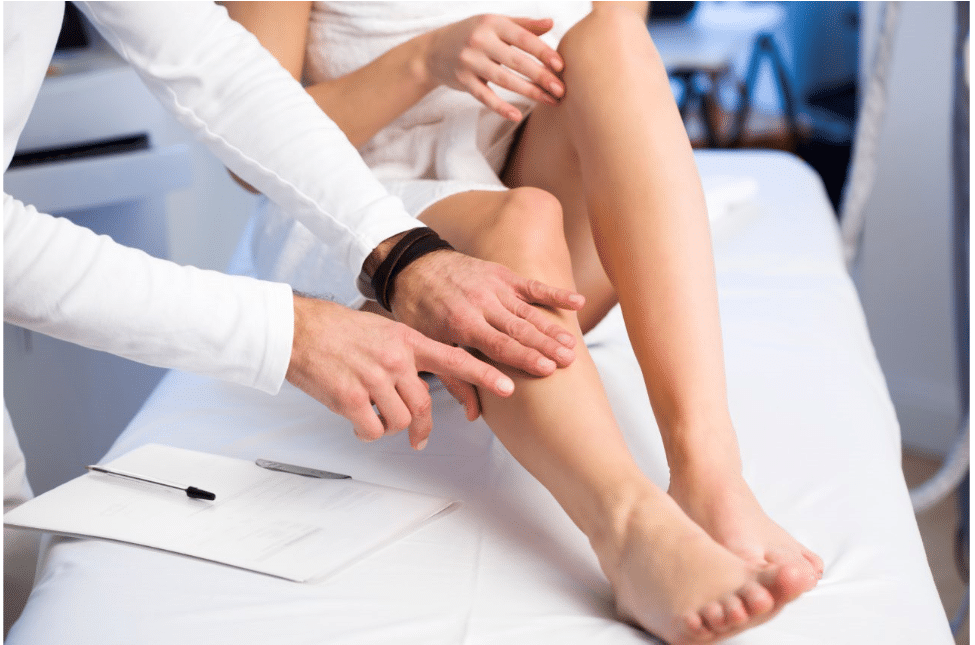
Varicose veins are usually pictured on the legs, and for good reason. But they can appear elsewhere too, from the esophagus to the testicles. Here is the full map.
- Varicose veins come from valves that let blood flow back down.
- The legs are by far the most common location.
- They affect 20 to 25% of women and 10 to 15% of men.
- Esophageal varices, linked to liver disease, can be dangerous.
- Testicular varices (varicoceles) can affect fertility if untreated.
Veins carry blood back to the heart. To work against gravity, they have internal valves that open and close to stop blood flowing back down into the legs. When those valves no longer close fully, blood is free to flow partly backwards, which is called venous reflux. Blood then pools, raising the pressure on the vein walls until they stretch and widen. These are varicose veins. But where exactly do they appear?
Where do varicose veins appear most often?

Varicose veins in the legs are by far the most common. Early signs of venous disease can be found in more than a third of people aged 18 to 64. Visible leg varicose veins affect 20 to 25% of women, against only 10 to 15% of men.
The good news is that surgery can often be avoided. Whatever the vein, it can be treated without an incision: focused ultrasound (echotherapy) closes it from outside the body.
Can varicose veins appear elsewhere in the body?
Because they are so common in the legs, varicose veins are almost always pictured there. But they can appear elsewhere too, even if far less often:
| Location | What it is |
|---|---|
| Legs | By far the most common: twisted, bulging surface veins. |
| Esophagus (esophageal varices) | Linked to advanced liver disease; can bleed and be dangerous. |
| Testicles (varicocele) | Affects about 30% of men, mostly aged 14 to 25; can affect fertility. |
Esophageal varices
These are seen above all in patients with advanced liver cirrhosis. As blood flow through the liver drops, pressure rises in other veins and increases in the esophageal vein, which can weaken its walls and raise the risk of rupture. Because of the bleeding they cause, esophageal varices are genuinely dangerous and need specialist care.
Varicose veins on the testicles (varicocele)
Varicose veins on the testicles are called varicoceles. The network of veins is usually visible and can be felt, though some cause no symptoms and others only mild pain. They typically appear between 14 and 25, in about 30% of men, and because they can lead to infertility if untreated, it is worth seeing a specialist. These are quite different from the far more common leg veins, which share their underlying causes with spider veins.
Wondering whether echotherapy is available near you? A growing network of centres is already equipped with the SONOVEIN.
Frequently asked questions :
Where do varicose veins usually appear?
Most often in the legs, where twisted, bulging veins are easy to see. They affect 20 to 25% of women and 10 to 15% of men.
Can varicose veins appear somewhere other than the legs?
Yes, though less often. Two notable examples are esophageal varices and testicular varices (varicoceles).
What are esophageal varices?
Enlarged veins in the esophagus, usually linked to advanced liver cirrhosis. They can bleed and are potentially dangerous, so they need specialist care.
What is a varicocele?
A varicose vein on the testicles. It affects about 30% of men, usually between 14 and 25, and can lead to infertility if untreated.
How are leg varicose veins treated?
Options include sclerotherapy, laser, radiofrequency and surgery. Echotherapy is a non-invasive method using focused ultrasound, with no incision.